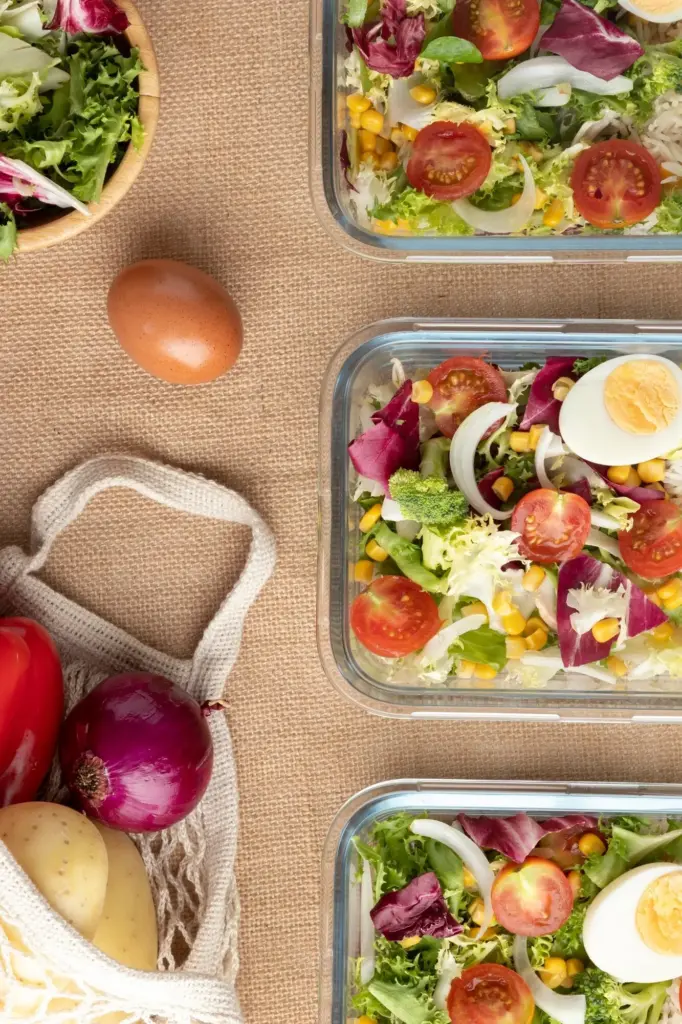
Refill, Reuse, Rejoice

Today we dive into bulk buying and refill strategies for a waste-reduced larder, turning everyday shopping into a calm, resource-savvy ritual. Expect practical hacks, budget wins, real stories, and simple systems that keep shelves organized, ingredients fresh, and packaging footprints dramatically smaller. Share your routines, ask questions, and subscribe for ongoing experiments and honest reflections from a pantry that keeps getting better.

Set Up a Pantry That Works Harder

A resilient pantry begins with layout, visibility, and simple rituals that stick. Clear jars, consistent labels, and thoughtful zones help you buy confidently in bulk without losing track of what you have. Build flow: refill jars on arrival, store backstock high or low, and keep daily-use items within easy reach. When everything has a purposeful home, waste shrinks, impulse purchases slow, and time searching for ingredients practically disappears.

What to Buy in Bulk—and What Not To

Staples That Shine in Bulk

Oats, rice, lentils, chickpeas, baking soda, soap flakes, and dishwasher powder often excel in larger quantities. These staples rotate quickly and anchor countless meals and routines. Choose sizes aligned to monthly or quarterly use, not fantasy cooking. When staples flow, you cut last-minute errands and packaging waste. Share your most-cooked grain or legume this month, and we will crowdsource go-to recipes for effortless weeknights and satisfying batch-cooking sessions.

Products Better in Small Quantities

Spices, specialty flours, oils, and herbal teas fade quickly when neglected. Rather than giant bags, buy fresher, smaller amounts, or split with friends. Concentrate on potency and aroma, not volume. If you love variety, tiny refills keep exploration alive without creating stale leftovers. This approach honors flavor, reduces guilt, and supports the joy of discovery. Tell us which item you downsized recently and whether the taste and aroma improved noticeably.

Seasonal and Local Opportunities

Farm gleanings, community co-ops, and neighborhood refill shops unlock fresher options and better prices. In season, grains, beans, or dried fruit may be harvested nearby, reducing transport footprint and extending shelf life. Ask vendors about storage conditions and harvest dates. Buying local creates relationships, recipe exchanges, and text alerts when rare items arrive. Post where you source great bulk deals and local refills; your tip might become someone’s weekly ritual.

Choose the Right Vessel for Each Ingredient
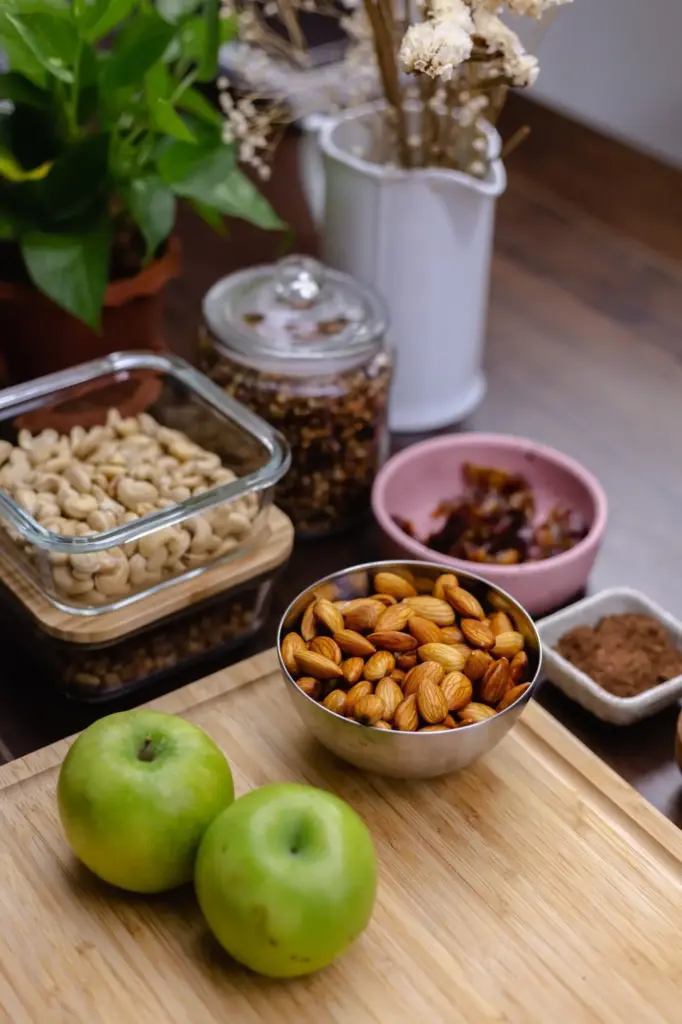
Whole grains appreciate airtight glass with wide mouths for scooping. Light-sensitive items, like certain oils or coffee beans, benefit from steel or amber glass. Powdery goods prefer snug seals and antistatic scoops. Bulk liquids love graduated bottles and leak-proof caps. Match container size to turnover speed to minimize stale time. When vessel and ingredient are thoughtfully paired, waste shrinks and meal prep becomes delightfully predictable, even on hectic days.

Keep It Clean Without Harsh Chemicals
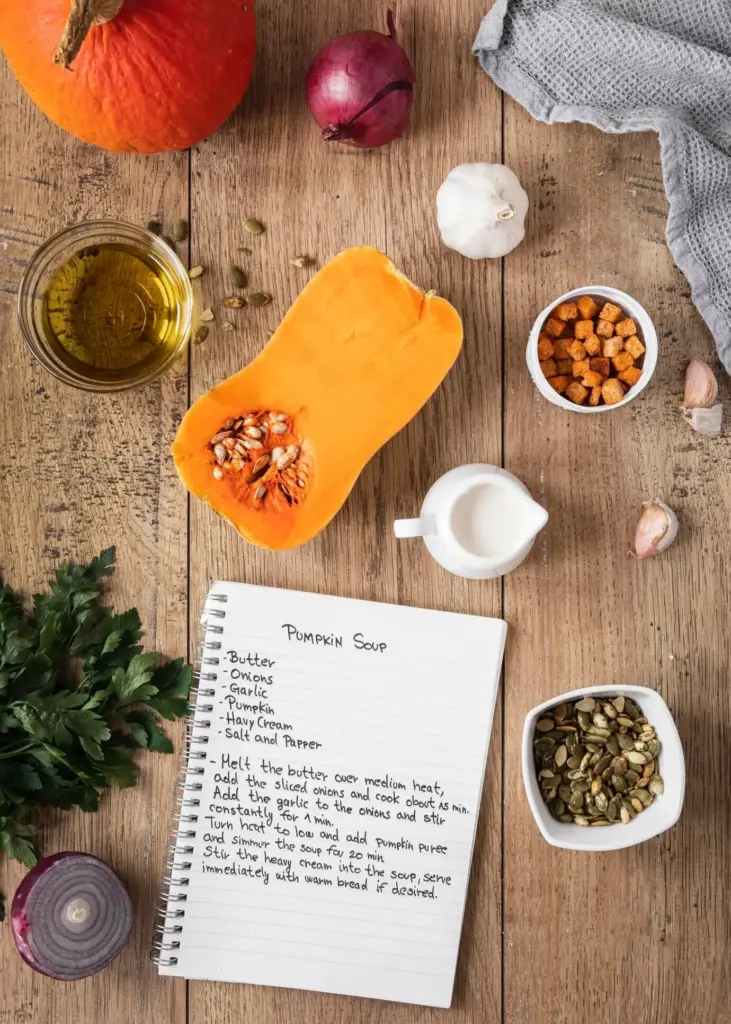
Warm water, unscented soap, and vinegar or baking soda handle most cleaning jobs safely. Let jars air-dry fully before refilling to prevent hidden moisture. Tackle lids, gaskets, and scoops with equal care. Schedule quarterly deep-cleans, especially after strongly aromatic items. Gentle, consistent hygiene safeguards taste and health without unnecessary products. Share your favorite low-tox cleaning trick below, and bookmark this checklist to revisit before your next satisfying refill session.

Protect Against Moisture, Light, and Pests
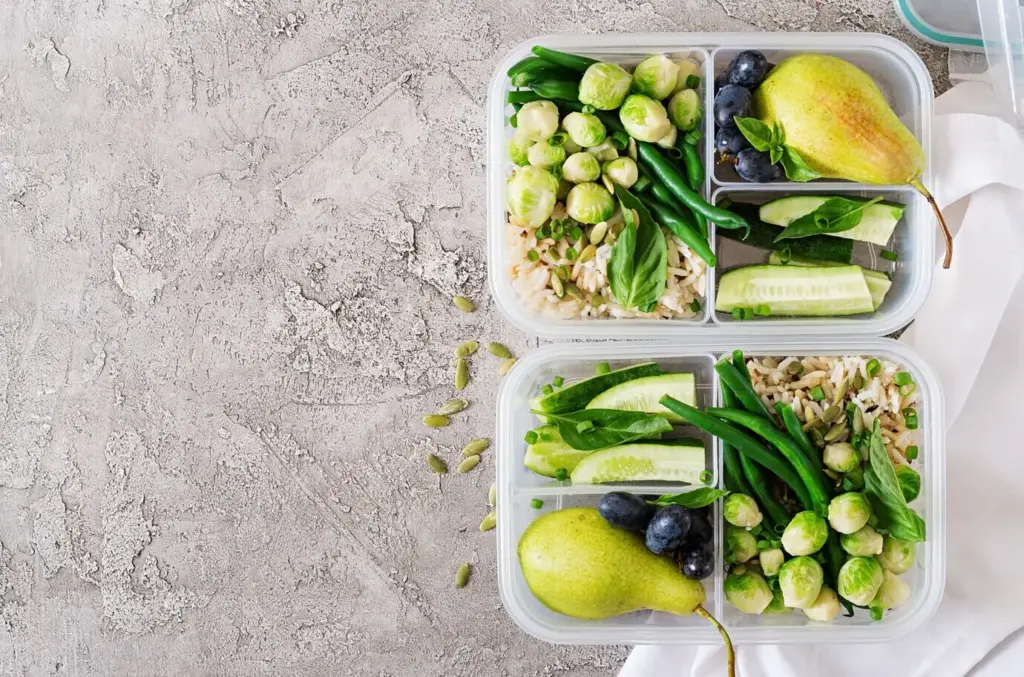
Humidity encourages clumping and spoilage; use desiccant packs or oxygen absorbers where appropriate. Keep shelves cool and shaded to preserve oils and delicate grains. Consider bay leaves or airtight steel to deter pests. Inspect new bulk buys before decanting, catching issues early. Balance airflow with containment: a tidy pantry that breathes properly resists unpleasant surprises. Report your climate challenges in the comments so others can learn targeted prevention strategies.

Smart Shopping Tactics and Refill Logistics

A little planning transforms errands into streamlined routines. Track prices over time, bring pre-weighed containers, and favor refill stations with clear tare processes. Create a cadence—weekly for produce, monthly for grains, quarterly for oils. Shopping lists tied to jar volumes prevent overbuying while keeping staples steady. Leverage buying clubs or co-ops for case discounts and delivery schedules. These small, teachable habits compound into lower waste, calmer trips, and dependable savings.

FIFO Made Friendly

Place newly filled jars behind older ones, and keep a short list of items that need love this week. Color-coded dots or washi tape make quick scanning easy. Involve housemates by posting rotation rules on a cupboard door. Friendly reminders beat scolding, turning safety into teamwork. Drop your favorite visual cue in the comments so others can borrow an idea that actually sticks through busy days.

Know Your Clocks: Oils, Flours, Nuts

Delicate oils prefer dark, cool storage and shorter timelines; consider refrigerating after opening. Whole grain flours hold better than refined, while nuts and seeds risk rancidity in heat. Buy sizes matched to your cooking rhythm, not aspirations. Freeze spares to pause the clock. When you respect these rhythms, flavor stays bright and nutrition sings. Share one storage tweak that noticeably extended freshness in your kitchen this month.

Rescue Plans for Near-Expiry Items

Turn fading nuts into pesto, blend tired oats into pancakes, and toast older grains for deeper flavor. Create a weekly “use-up” night with playful rules and flexible recipes. Donate sealed, safe items you will not finish. Little rescue rituals prevent guilt and spoilage while sparking creativity. Post your best save-from-the-brink dish so we can build a shared index of tasty, budget-friendly solutions that celebrate resourcefulness.

Cooking, Batch Prep, and Zero-Waste Creativity
Meal Frameworks That Use Bulk Staples

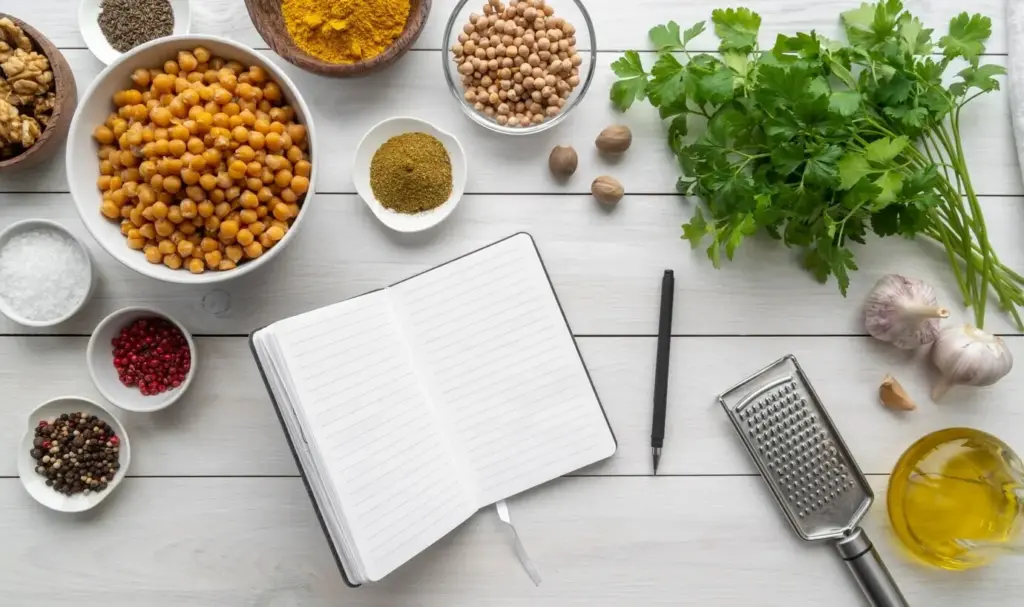
Create interchangeable templates: grain + bean + vegetable + sauce; soup + pantry aromatics; bake + topping. Stock flavor boosters like soy sauce, miso, tahini, chili crisps, and herbs. Rotate global inspirations without overcomplicating. These frameworks reduce decision fatigue while preserving excitement. Post your best five-ingredient bowl below; we will test a few, report back with tweaks, and spotlight community favorites in an upcoming digest worth bookmarking.

Batching, Freezing, and Reuse

Create interchangeable templates: grain + bean + vegetable + sauce; soup + pantry aromatics; bake + topping. Stock flavor boosters like soy sauce, miso, tahini, chili crisps, and herbs. Rotate global inspirations without overcomplicating. These frameworks reduce decision fatigue while preserving excitement. Post your best five-ingredient bowl below; we will test a few, report back with tweaks, and spotlight community favorites in an upcoming digest worth bookmarking.

Community Sharing and Feedback

Create interchangeable templates: grain + bean + vegetable + sauce; soup + pantry aromatics; bake + topping. Stock flavor boosters like soy sauce, miso, tahini, chili crisps, and herbs. Rotate global inspirations without overcomplicating. These frameworks reduce decision fatigue while preserving excitement. Post your best five-ingredient bowl below; we will test a few, report back with tweaks, and spotlight community favorites in an upcoming digest worth bookmarking.

Kafolotekoka
Privacy Overview

This website uses cookies so that we can provide you with the best user experience possible. Cookie information is stored in your browser and performs functions such as recognising you when you return to our website and helping our team to understand which sections of the website you find most interesting and useful.